 Bastia Hub
A Journey of Resilience
The road to the 2026 FIFA World Cup has been anything but straightforward for the Haiti national football team. Under the guidance of Sebastian Migné, the former coach of the Harambee Stars, Haiti has overcome numerous challenges both on and off the pitch to secure their spot in the tournament. This harrowing story not only highlights Migné's tactical nous but also the indomitable spirit of Haitian football.
The Challenges of Haitian Football
Haitian football has faced significant hurdles in the past few years, ranging from political instability to natural disasters. The assassination of President Jovenel Moïse in July 2021 plunged the nation into profound turmoil, affecting all aspects of life, including sports. Amidst this backdrop, the national team had to navigate a series of logistical and emotional challenges.
Despite these obstacles, Migné focused on building a cohesive unit capable of competing at the highest level. His ability to maintain morale and foster a sense of unity within the squad was crucial. Players like Djakaridja Koné and Duckens Nazon stepped up, embodying the resilience and fighting spirit that Haitian football is known for.
- Political instability: The assassination of President Moïse created a tumultuous environment.
- Natural disasters: Previous earthquakes and hurricanes have disrupted football infrastructure.
- Team unity: Migné prioritized building a strong, cohesive team amidst adversity.
Sebastian Migné’s Tactical Approach
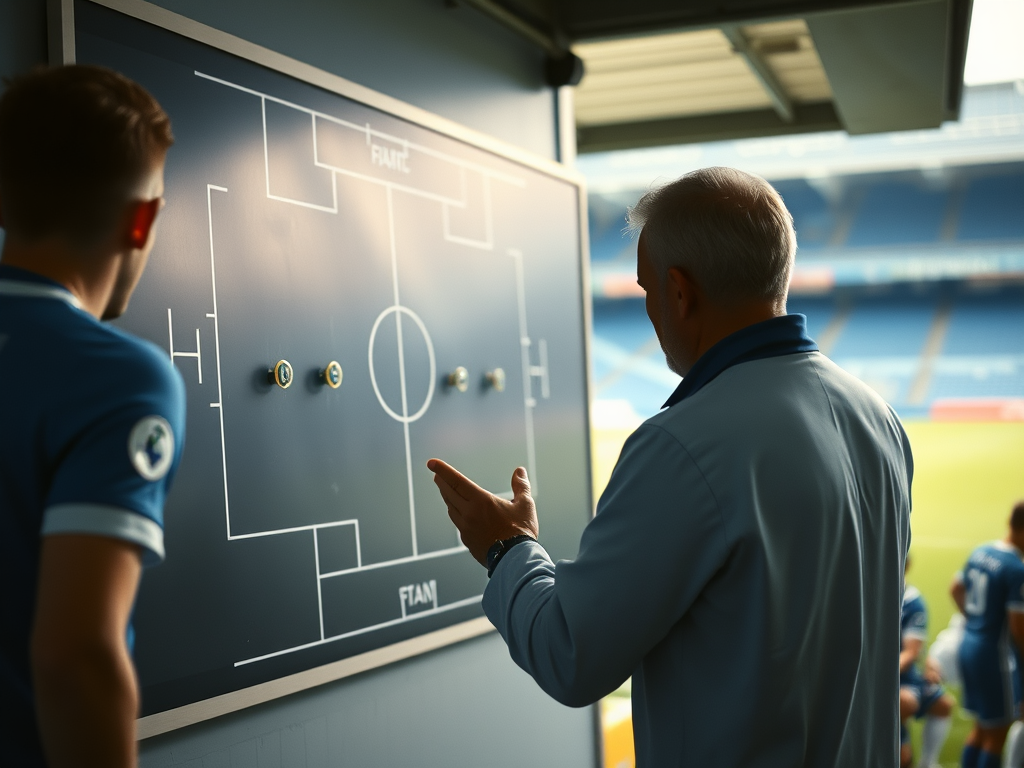
Migné's tactical acumen has been a defining factor in Haiti's successful qualification campaign. Known for his adaptable style, he has employed various formations and strategies depending on the opponent. This flexibility has allowed the team to maximize its strengths, particularly in the attacking third.
One of the standout features of Migné's tactics is his use of high pressing to regain possession quickly. This approach has proven effective against teams with less technical ability, allowing Haiti to capitalize on turnovers and create scoring opportunities. The tactical shift to a more aggressive playing style has transformed the team into a formidable opponent on the international stage.
Migné's focus on player development has also paid dividends. He has integrated younger talents into the squad, ensuring a blend of experience and youth. This balance was evident during the qualification matches, where players like Frandy Pierrot showcased their skills under pressure.
Key Players Who Made a Difference
Throughout the qualification process, several players emerged as key contributors, showcasing their skills and determination. The following individuals stood out:
- Duckens Nazon: The striker was pivotal, scoring crucial goals that propelled Haiti towards qualification.
- Djakaridja Koné: His leadership on and off the pitch was vital in maintaining team morale.
- Frandy Pierrot: The young forward played a crucial role in the attacking setup, bringing pace and creativity.
These players, along with others, have proven that Haiti's footballing future is bright. Their performances have not only secured a World Cup spot but have also inspired a nation yearning for success.
The Significance of World Cup Qualification
Securing a place in the 2026 FIFA World Cup is monumental for Haiti. It represents a chance for the nation to showcase its talent on the world stage and to garner support for football development at home. The qualification serves as a beacon of hope for a country that has faced significant adversity in recent years.
The impact of this achievement extends beyond the pitch. It can serve as a unifying force for the Haitian people, instilling pride and a sense of belonging. Moreover, international exposure could lead to increased investment in the sport, fostering the next generation of Haitian footballers.
Fan Reactions and Community Support
The news of Haiti's qualification has sparked an outpouring of joy and pride among fans both locally and in the diaspora. Social media platforms have been flooded with messages of support, celebration, and anticipation for the World Cup.
Fans are particularly excited about the prospect of seeing their national team compete against some of the best in the world. The hope is that this moment will elevate the profile of Haitian football and attract more resources and attention, both locally and globally.
- Community support: Local clubs and schools are rallying to promote football in Haiti.
- Diaspora involvement: Haitian communities abroad are organizing events to celebrate and support the national team.
- Increased interest: The qualification has sparked a renewed interest in football among the younger generation.
What's Next
As Haiti prepares for the 2026 FIFA World Cup, the focus will shift to building on this success. The national team will need to refine its tactics, strengthen team chemistry, and prepare for the challenges that lie ahead in the tournament.
Sebastian Migné's leadership will continue to be vital as Haiti aims to make a lasting impression on the world stage. The journey from adversity to triumph is far from over, and with the right preparation and support, Haiti could become a surprising contender in the upcoming World Cup.