 Bastia Hub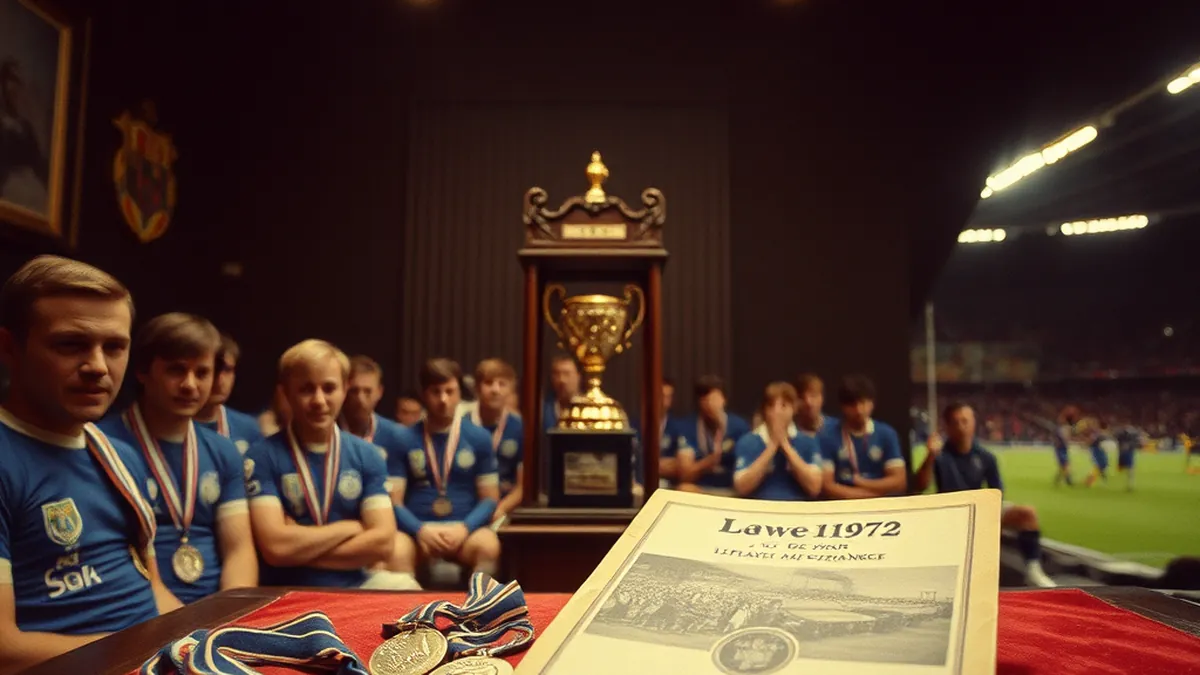
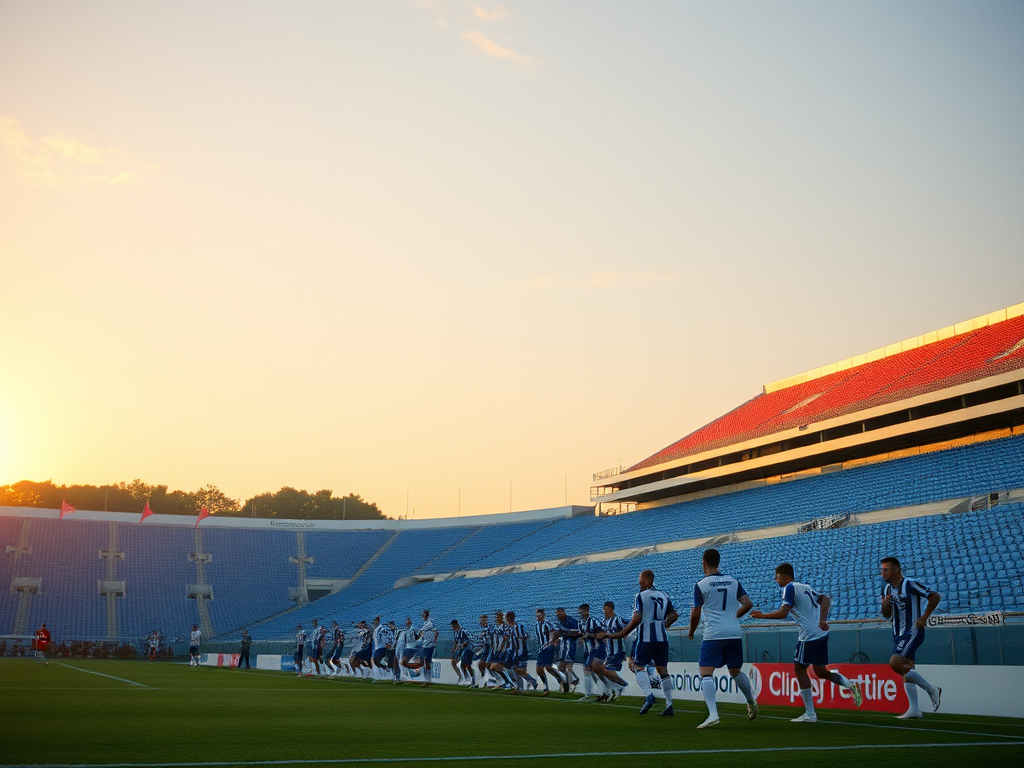
The 1972-1973 season is etched in the history of SC Bastia, not just for its performances on the pitch, but for a match that redefined the very essence of the club. On May 15, 1972, in the semi-finals of the Coupe de France, Bastia faced AS Saint-Étienne, a formidable team that dominated French football at the time. This match, played at the Parc des Princes, saw the Lions fight with unwavering determination against an opponent that seemed insurmountable.
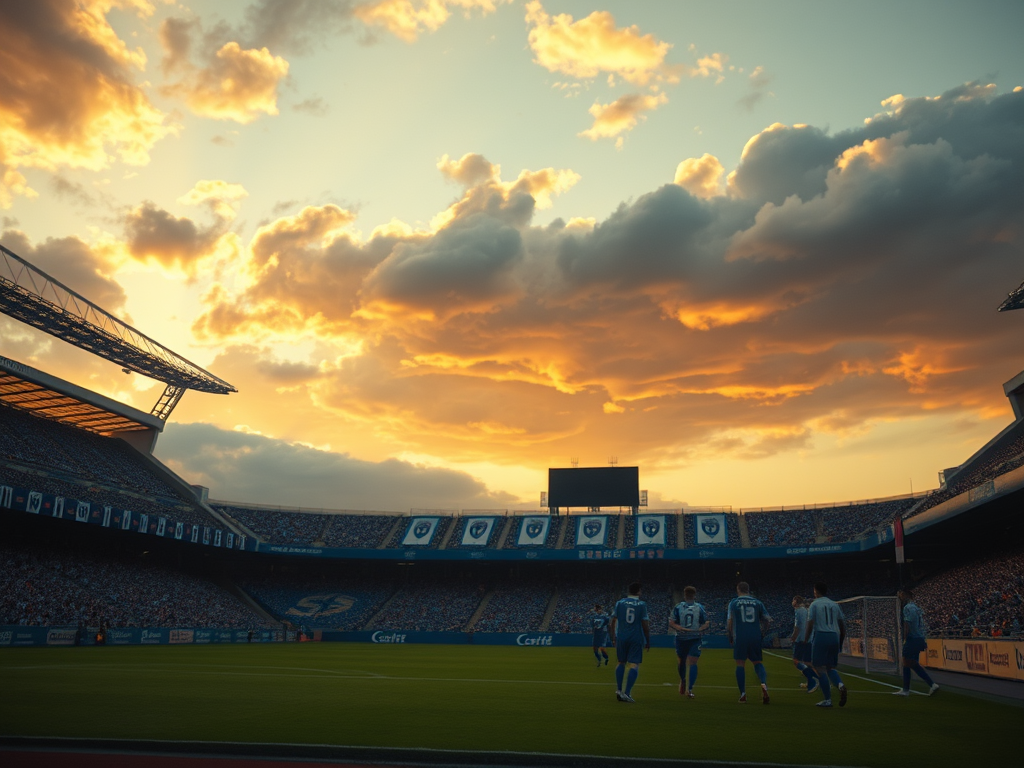
The game began under immense pressure, with Bastia supporters filling the stands with chants and flags, creating an electric atmosphere. The early moments saw the Greens taking the initiative, but Bastia, driven by a will of iron, responded boldly. A decisive moment occurred when young striker Franck Sauzée scored a sensational goal that shook the Parc des Princes. This goal was not just an individual achievement, but a rallying cry for an entire city.
The Lions continued to battle, and even though Saint-Étienne equalized, the match took a heroic turn when Bastia managed to score again, dashing the hopes of the opposing team. This match, which ended in a 3-1 victory for Bastia, was a turning point in the club's history. It not only allowed Bastia to reach the final of the Coupe de France but also reinforced the fighting spirit and regional identity that define the club to this day.
The victory of 1972 had ramifications far beyond the pitch. It sparked a sense of unity and pride among the supporters, making Bastia a true fortress. The legend of this match continues to be told by generations of fans, witnessing the unwavering passion that binds the city to its team. In reflecting on these moments, one understands that this match was not just a victory but the beginning of an era where SC Bastia made a name for itself on the national and international stage.
Today, every encounter against a rival, particularly AC Ajaccio, is marked by that inherited fighting spirit from this historic victory. The Lions, still fueled by the same passion, continue to fight with the same heart that made the Parc des Princes resonate in 1972.